


Do you find that your new starters are taking a long time to get up to speed in their role?
Are you still seeing very little output from them although they’ve been in their role a while now?
If the answer to the questions above is “yes!”, it may be because you have inadvertently used the wrong style of leadership with them when they first started working with you.
What do we mean by a leadership style?
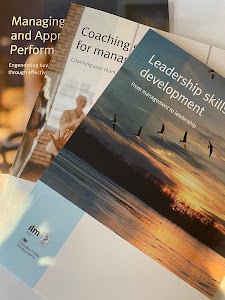
Here at Impellus, our Leadership Skills Development course introduces managers to Blanchard, Zigarmi and Zigarmi’s Situational Leadership Model from the bestselling book Leadership and the One Minute Manager.
Situational Leadership is a process for developing people by providing effective leadership, over time, so that they can reach their highest level of performance.
(p.3. 2001, Ken Blanchard Companies).
The model is composed of four leadership styles: Directing, Mentoring, Supporting and Enabling.
The aim of Situational Leadership is to enable managers to effectively use the style that is appropriate to an individual’s development level (relating to various factors such as their competence and commitment) at each stage on a specific goal or task (Ken Blanchard Companies, 2001).
Matching the appropriate style to the appropriate situation.
Each style has distinctive characteristics which deem them appropriate for different situations.
For example, with an inexperienced employee a manager should apply the Directing leadership style.
This would provide an explicit brief to the employee, and closely monitoring progress and performance.
In a different situation, where you have a highly competent and motivated employee, you would opt to use an Enabling leadership style.
This would allow you to fully delegate responsibility and decision making to them.

How does this relate to my new starter?
My question for you is, which leadership style do you think you used with this new starter?
From their job interview, your employee may have seemed competent, and their CV, or LinkedIn profile, evidenced a range of experience.
This may have led you to adopt an Enabling Leadership Style while onboarding them.
For example, you outlined their job responsibilities then left them to themselves.
Perhaps this is the way your manager managed you, so it seems most appropriate?
This mindset of leadership may be the reason your new starter is not succeeding.
Irrespective of an employee’s experience and competency, every new employee will benefit from a process that clearly outlines all the information they need.
This will help them succeed in their job alongside regular check-ins on the way to ensure that they are performing as required.
This is more effectively implemented through the Directing Leadership Style.
This attention to detail may feel like micro-managing or come across as patronising.
However, it will greatly reduce the likelihood of mistakes and miscommunication as expectations have been outlined clearly.
It scaffolds an employee’s progress in their early days of employment with you, enhancing their ability to successfully produce quality work.
This can then result in greater motivation, greater work satisfaction and high retention.
70% of Employees who had exceptional onboarding experiences say they have “the best possible job”.
(Dewar, 2022)
Next time you have a new starter, apply the Directing style of leadership and you will find that your new employee is up to speed in no time at all!
Written by Anna Jutsum – Leadership and Management Assessor


