


Coaching can have a huge impact on the culture and success of an organisation, unleashing individual potential, improving teamwork and inspiring continual professional development. Coaching is a highly effective way to motivate people and help them find the best ways to achieve goals.
It can be simple to set up but is often badly delivered by managers who confuse it with training or mentoring.
So first of all…
What is coaching?
In technical terms, a coach creates collaborative partnerships with coachees, providing support and encouragement as the coachee works to identify and achieve specific goals and find their own solutions to particular challenges.
Does that sound difficult? In simple terms it’s about setting up a regular time to give people the chance to solve their own problems. It can be done formally or quite informally as long as the parties agree on the structure.
Coaching differs dramatically from training which is about providing skills, or mentoring which is about allowing the mentee to develop the skills of the mentor. This confusion often means inexperienced managers struggle to deliver high quality coaching and the results it can produce.
A coach does not have to be a subject matter expert but must be skilled in using coaching tools and techniques such as active listening, questioning and challenging.
Impellus’s top five coaching tips for your organisation
We’ve set out below our five top tips for ensuring your organisation can quickly get up to speed with coaching and help you quickly reach key business milestones.
- Create a coaching culture: establish and stick to an agreed coaching process within your organisation, ensuring the time spent on coaching is viewed as a valuable investment for the individual and the organisation.
- Be clear about how your coaching programme will sit alongside other staff development activities such as training and mentoring.
- Ensure that coaches (whether internal or external) have the skills required to coach effectively. Provide training and ongoing development for internal coaches.
- Seek regular feedback from coachees within the organisation to support continual improvements in your coaching processes.
- Encourage coaching at all levels – everyone can benefit, from new entrants to longstanding managers, with the overall aim of boosting your organisation’s performance and growth.
You may find useful:
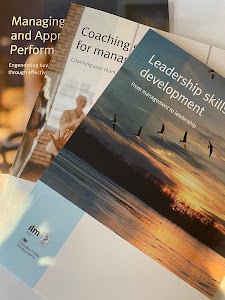
Coaching Skills for Managers: For managers, team leaders and HR personnel at all levels who are keen to promote a strong culture of personal empowerment and self-motivation to help individuals and teams meet and exceed the goals they’re set.
Managing and Appraising Performance: Setting your people clear goals and objectives means you can provide objective feedback on their performance, gain buy-in and encourage greater productivity and personal achievement.


